

Introduction
Human Resource Information Systems (HRIS) have rapidly become an essential part of modern workplaces, reshaping how organizations manage their most valuable asset: people. These platforms simplify a range of personnel tasks and help organizations adapt to an increasingly digital and competitive environment. Among the most prominent solutions, ADP’s solutions stand out for their ability to transform traditional HR management through automation, centralized data, and improved compliance.
Organizations today leverage HRIS not just as a digital filing cabinet but as a strategic resource that supports talent acquisition, regulatory adherence, and employee development. By reducing the burden of routine administrative responsibilities, HR professionals can reinvest their expertise in nurturing employee growth and fostering organizational culture.
Automation and Efficiency in HR Management
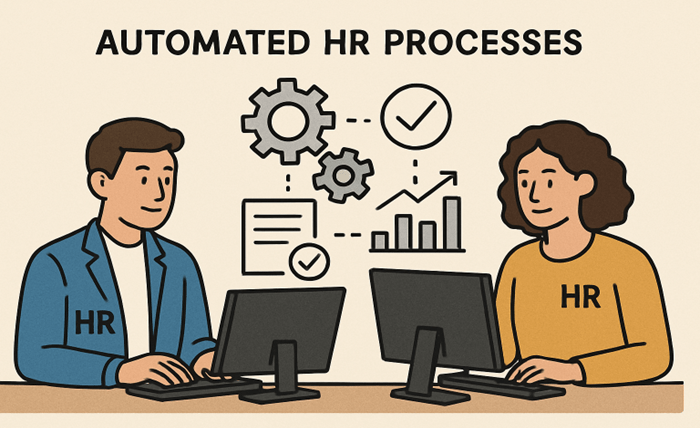
The shift to automated HR management signals a new era in workplace operations. HRIS platforms streamline tasks ranging from applicant tracking to time-off requests and compensation management. With robust automation features, HR departments reduce manual data entry errors, ensure timely completion of repetitive tasks, and maintain up-to-date records that are vital for compliance and performance evaluation.
One of the most significant contributions of HRIS is its ability to drive efficiency and productivity. By leveraging scheduling algorithms, automated onboarding workflows, and real-time reporting tools, organizations can respond more quickly to business needs and strategic changes. This not only saves time but also improves the employee experience, as queries and processes are resolved rapidly and accurately.
With the transformation toward efficiency and automation, industry leaders, such as the Society for Human Resource Management (SHRM), advocate for continuous technology upgrades in HR, recommending that businesses use integrated platforms to bridge the gaps between payroll, benefits, and performance management. Streamlining these functions leads to greater transparency and strategic alignment across departments.
AI Integration in HRIS
Artificial Intelligence (AI) has moved from being an intriguing concept to a core driver in HRIS innovation. AI-powered solutions can analyze large data sets across recruitment, performance, and employee engagement, revealing insights that were previously unattainable. From resume scanning and interview scheduling to recommending personalized learning opportunities, AI helps reduce bias and efficiently identify top talent.
However, as HRIS with AI becomes more sophisticated, the industry faces new questions about algorithmic transparency and the need for consistent evaluation to avoid perpetuating existing biases. Organizations must focus on developing clear policies for ethical AI and maintaining human oversight in key decisions.
Beyond recruiting, AI-driven HRIS provides tools for ongoing engagement, including predicting employee flight risks, tracking sentiment through surveys, and automating training modules. Such innovation not only enhances how HR teams operate but also enables organizations to cultivate resilient, data-driven cultures. For further reading, Harvard Business Review offers insight on the responsible use of AI in HR.
Addressing Public Sector Challenges
Public sector organizations frequently face distinct challenges, including stringent compliance requirements, aging infrastructure, and intense competition for skilled talent. Modern HRIS platforms address these pain points by centralizing all HR data, automating notification and reporting calendars, and supporting increasingly mobile workforces.
The public sector has demonstrated an accelerated adoption of HRIS, especially as demands for remote work and transparency grow. By digitizing processes, agencies are better equipped to establish accountability, minimize errors, and enable real-time policy updates. This holistic oversight strengthens public trust, allowing the employees to focus on strategic initiatives rather than bureaucratic hurdles.
Solutions specifically designed for the public domain offer enhanced security features and integration with legacy systems, enabling smoother transitions and reduced resistance to change. As The Wall Street Journal highlights, the public sector’s digital transformation is poised to play a pivotal role in workforce management strategies over the next decade.
Employee Well-being and Ethical Considerations
Despite the significant benefits of HRIS, the people-centric nature of HR demands careful consideration of employee well-being and ethical issues. Automation and extensive data collection can raise concerns about job security, privacy, and the human element within the workplace.
Transparent communication about the role of automation and AI is fundamental for mitigating fear and fostering trust among employees. Best practices include involving employees early in the HRIS adoption process, providing the necessary training, and ensuring responsible data handling. Establishing a feedback loop empowers staff to voice concerns and share suggestions for system improvements.
Prioritizing transparency and accountability in algorithm design and data usage maintains ethical standards and fosters a positive workplace culture. Industry watchdogs and organizations, such as the World Economic Forum, emphasize the importance of considering societal impacts and protecting employee rights when adopting HR technology.
Conclusion
Human Resource Information Systems (HRIS) are fundamentally transforming the workplace by rapidly enhancing automation and increasingly harnessing AI for deeper insights. These systems are also proving invaluable in overcoming complex administrative and workforce challenges specific to the public sector.
While these technologies offer unparalleled advantages in efficiency and data-driven decision-making, their true, enduring value lies in their ability to foster environments where ethical standards and employee well-being are consistently prioritized. As organizations strategically plan for the future, the thoughtful and human-centered adoption of HRIS will remain a critical key driver for achieving sustainable organizational growth, maintaining a competitive advantage, and cultivating a truly thriving and engaged workforce.