

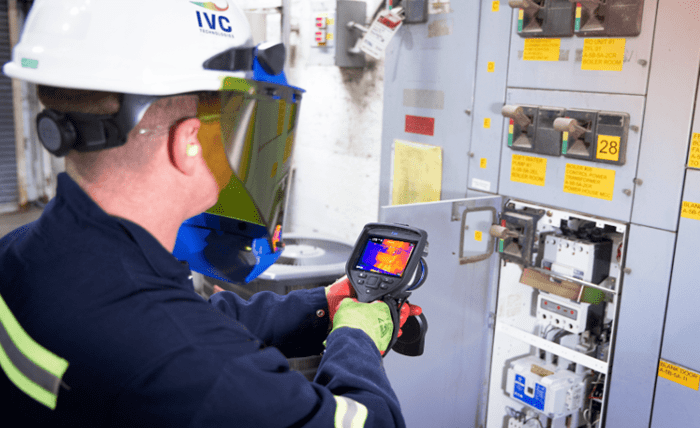
Infrared thermography has become a trusted diagnostic tool in facilities for detecting electrical and mechanical issues before they increase in severity. By converting thermal heat signatures into data visible to the human eye, technicians find out which components function outside of normal temperatures. The thermal perspective aids teams in identifying inefficiencies that would not appear during a routine visual check. As industries adopt more complex systems, predictive tools like thermography help organizations maintain reliability, safety, and operational continuity through early-stage detection.
Understanding Thermal Patterns in Industrial Systems
Every component possesses a unique thermal behavior influenced by its workload, material composition, and operating environment. Thermal imaging illuminates these anomalies through contrasts of typical and atypical heat levels. When interpreted accurately, these patterns disclose a number of developing issues, such as overloaded circuits, friction in bearings, or insulation breakdown. Without analysis in a timely manner, these irregularities turn into failures that cause facility disruptions. Thermographic imaging has become an important tool to help engineers and maintenance teams identify priorities for repairs and resource assignment, reducing hunches and strengthening decisions. The capability to view equipment in its normal operating environment provides data-rich appraisals, assisting an organization in building a more proactive maintenance culture.
Minimizing Equipment Downtime Through Early Detection
One of the most valuable advantages of IR thermography is that unplanned downtime is drastically reduced. When a failure occurs unexpectedly, financial and operational consequences mount very fast. Thermal assessments provide technicians with detailed information on components that have increasing temperatures, thus interventions can occur during a scheduled maintenance window instead of an emergency shutdown. They reduce costly part replacement, production delays, and safety risks by addressing hot spots on time. Organizations that invest in reliable infrared inspection services that deliver accurate imaging gain a preventive edge. This methodology supports continuous operations; teams are able to replace degrading parts before they interrupt mission-critical processes. With consistent use, thermography strengthens a reliability strategy and helps an organization maintain stable performance.
Enhancing Safety and Asset Life with Predictive Insight
Safety remains a central concern in industrial settings. Overheating parts could pose risks to personnel, other surrounding equipment, and entire production lines. Infrared thermography is a nondestructive testing technique that discloses a number of conditions that elevate fire hazards, such as loose electrical connections or overheating transformers. Such identification saves workers from accidents while extending equipment life since proper and timely repairs prevent accelerated degradation. Thermal imaging assists in many cases in verifying the effectiveness of completed maintenance. Following a repair, technicians can take temperature readings again to compare and confirm that components are operating within acceptable limits. This feedback loop, or continuous feedback, fosters confidence in repair quality and long-term asset integrity by making sure operations remain stable and secure.
Integrating Thermography Into Routine Maintenance Workflows
IR thermography can realize its full worth only if facilities incorporate thermal imaging into the regular maintenance schedule, rather than using it as an intermittent check-up. When technicians integrate periodic scans into established schedules, they are creating a consistent record of temperature trends across critical assets. This historical data assists teams in recognizing gradual shifts that indicate emerging wear, misalignment, or electrical imbalance. Regular integration also facilitates smooth collaboration between maintenance planners and reliability engineers by ensuring that thermal findings are applied to repair priorities. By embedding thermography into workflow cycles, organizations improve diagnostic accuracy, create continuity in equipment oversight, and reinforce a proactive maintenance culture.
Improving Energy Efficiency Through Thermal Insight
In addition, thermal imaging allows for better energy management strategies. Poor-performing components are generally hotter than others because of friction, wear, or poorly distributed load. In finding these losses early, teams can make improvements that actually reduce energy use throughout the entire production system. Identifying the overheating motors, misaligned belts, or improperly insulated areas allows facilities to fine-tune performance and trim utility bills in the process. This eventually leads to leaner operations as organizations maintain sustainability objectives without sacrificing output or reliability.
Thermal imaging presents a dynamic, data-driven advantage to organizations committed to predictive maintenance. Thermal imaging allows for the detection of irregular heat patterns, which minimizes downtime, enhances safety, and prolongs the life of an asset, things often not picked up by conventional methods. Thermography converts undetectable temperature fluctuations into usable information that enables a facility to take action before problems worsen. The technology enhances maintenance planning with its early warning capability and enables resilient and productive industrial environments.