

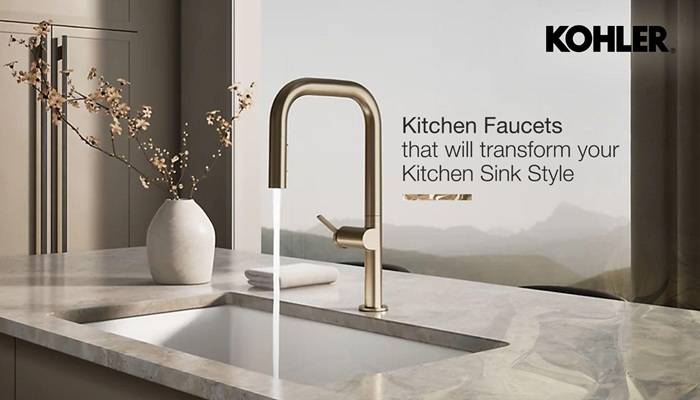
A kitchen upgrade does not always require a full renovation. Sometimes, one carefully chosen feature can shift the entire feel of the space. A vessel faucet is one of those details. It may seem like a small change compared with cabinets, countertops, or flooring, yet it can have an outsized impact on both style and usability.
What makes this type of faucet so appealing is the way it combines strong visual presence with practical value. Its elevated design naturally attracts attention, giving the sink area a more intentional and polished look. At the same time, the right model can improve reach, make daily kitchen tasks easier, and create a more comfortable workflow around the sink.
For homeowners trying to refresh a dated kitchen, add personality to a neutral design, or create a more custom look without tearing everything apart, a vessel faucet can be a smart place to start. It offers design flexibility, works with a range of finishes, and can suit both modern and more traditional spaces when selected thoughtfully.
This guide takes a closer look at why vessel faucets stand out, how to choose one that suits your kitchen, what practical advantages they offer, and what to know before installation.
Why a Vessel Faucet Changes the Look of a Kitchen
A faucet is one of the most-used fixtures in the room, but it is also one of the most visible. Because a vessel faucet sits higher and often features a more sculptural form, it tends to act as a design focal point rather than fading into the background.
That elevated profile adds dimension to the sink area. Instead of appearing purely utilitarian, the fixture helps create a layered and styled appearance. In kitchens with open layouts, that matters even more. The sink zone is often visible from dining or living spaces, so the faucet becomes part of the room’s broader design story.
A vessel faucet can also help define the tone of the kitchen. A sleek, curved silhouette may give the room a contemporary feel. A more angular or industrial model may introduce edge and structure. A faucet with softer detailing or a warmer finish can bring in a sense of charm and character.
When chosen well, it does more than dispense water. It helps the kitchen feel more finished.
The Visual Strength of Elevated Design
One reason vessel faucets stand out so much is their height. That additional rise above the countertop or sink line gives them a more dramatic presence than a standard low-profile faucet.
This can be especially effective in kitchens that need a stronger visual anchor. If cabinetry is simple or the room leans heavily on neutral finishes, the faucet can become the feature that adds shape and interest without making the design feel crowded.
Height also introduces a more customized look. Many kitchens include repeated horizontal lines from cabinets, counters, shelves, and appliances. An elevated faucet breaks that pattern in a useful way. It draws the eye upward and adds variation to the visual rhythm of the room.
That contrast is subtle, but it can make a kitchen feel more intentional and less flat.
Choosing a Finish That Works With Your Kitchen
Finish matters just as much as form. The material and surface treatment of the faucet will influence not only how it looks on the day it is installed, but also how well it holds up over time.
Stainless Steel for a Clean, Modern Look
Stainless steel remains one of the most practical and popular choices. It works especially well in modern or transitional kitchens because it feels clean, understated, and easy to coordinate with appliances. It also tends to resist corrosion well and is relatively simple to maintain.
For households that use the kitchen heavily, stainless steel often strikes a good balance between style and practicality.
Brushed Nickel and Chrome for a Polished Finish
Brushed nickel offers a softer, warmer appearance than chrome, while still feeling refined. It is often a strong option for homeowners who want a polished look without too much shine. Chrome, by contrast, gives off a brighter, more reflective finish and can make the sink area feel crisp and elegant.
These finishes work well in kitchens that lean contemporary, classic, or slightly upscale.
Matte Black and Bronze for More Character
For kitchens that need contrast or a stronger design statement, matte black can be very effective. It pairs well with light countertops, white cabinetry, wood tones, and industrial-inspired elements. Bronze or oil-rubbed finishes can bring warmth and depth, especially in farmhouse, rustic, or traditional kitchens.
These finishes often feel more expressive, which can be useful when the goal is to give the kitchen a more distinctive personality.
Matching the Faucet to Your Kitchen Style
A vessel faucet should not feel random. It should connect to the rest of the kitchen in a way that feels natural.
In a minimalist kitchen, a simple faucet with a clean silhouette usually works best. Too much ornamentation can disrupt the quiet, streamlined look of the space. In a farmhouse-style kitchen, a faucet with a slightly more classic or vintage-inspired design may feel more at home, especially when paired with apron-front sinks, warm woods, or textured finishes.
Eclectic kitchens offer more freedom. In those spaces, a bold finish or unusual shape may actually help pull the design together. The key is to make sure the faucet still relates to surrounding elements such as lighting, cabinet hardware, and sink style.
A good match does not always mean everything looks identical. It means the pieces feel like they belong in the same room.
Practical Benefits Beyond Looks
A strong design feature is valuable, but in a kitchen, function matters just as much. The best vessel faucets are not only attractive. They also make daily tasks easier.
Because these faucets are typically taller and have a greater reach, they can improve how the sink area works. Filling large pots becomes easier. Washing oversized bowls or trays feels less cramped. Cleaning around the basin can also be more convenient because there is often more room beneath the spout.
This matters in busy kitchens where the sink is used constantly. A fixture that looks striking but makes daily use awkward will lose its appeal quickly. A vessel faucet works best when it adds beauty and supports the way the kitchen actually functions.
Why Height and Reach Make a Difference
Two of the most important functional features of a vessel faucet are its height and spout reach.
The extra height provides more clearance, which is useful for larger cookware and kitchen prep tasks. Instead of struggling to angle a stockpot awkwardly under a low faucet, you have more working room. That may seem like a small convenience, but over time it makes the sink area far more pleasant to use.
Spout reach matters too. If the faucet extends properly into the sink, water lands where it should. That helps reduce splashing and makes rinsing more efficient. If the reach is too short, water may hit the wrong part of the basin and create mess. If it extends too far, it may feel awkward or overpower the sink.
This is why proportion is so important. A vessel faucet should look balanced, but it should also direct water where it is most useful.
Features Worth Looking For
While appearance tends to get most of the attention, several functional details can make one faucet much better suited to your kitchen than another.
Single Handle or Dual Handle
Single-handle models tend to look streamlined and are easy to operate with one hand, which can be especially useful when cooking. Dual-handle designs may appeal more to those who prefer a classic look or want separate hot and cold control.
Pull-Down or Pull-Out Sprayer
Some vessel faucets include a pull-down or pull-out feature, which adds flexibility for rinsing produce, washing dishes, or cleaning the sink. This can be especially useful in kitchens where the faucet does a lot of work each day.
Spray and Stream Options
A faucet that allows users to switch between spray and stream modes offers more control. A steady stream works well for filling containers, while a spray mode can make rinsing and cleaning faster.
Durable Cartridge Technology
The internal mechanism matters too. Faucets with ceramic disc cartridges are often favored because they tend to operate smoothly and resist leaks better over time.
These may not be the most visible features, but they can make a noticeable difference in day-to-day use.
Getting the Size Right
A faucet can be beautiful and still feel wrong if it is not properly scaled to the sink and countertop. Size is one of the most important parts of the decision.
The faucet should provide enough clearance to be useful, but not so much that it dominates the sink area or causes excessive splashing. A large, dramatic faucet may look impressive on a broad counter with a generously sized sink, but it can overwhelm a smaller setup. On the other hand, a compact faucet can disappear visually if the sink and surrounding space are substantial.
Measurements matter. Homeowners should consider total faucet height, spout reach, and the depth of the sink basin. It is also important to think about nearby cabinetry or shelving if the faucet sits beneath a window or wall feature.
Good proportion creates a result that feels balanced and comfortable rather than forced.
Maintenance and Everyday Care
Like any kitchen fixture, a vessel faucet needs regular care to stay attractive and functional. The good news is that maintenance is usually straightforward if the right finish is chosen and cleaning habits stay consistent.
Most faucets benefit from a simple wipe-down with a soft cloth and mild cleaner. This helps remove water spots, fingerprints, and everyday residue before it builds up. Stainless steel and chrome are usually easy to keep looking sharp. Matte and darker finishes may hide some marks better, though they still need routine care.
Harsh chemicals and abrasive scrubbers should generally be avoided, since they can damage the finish over time. It is also wise to address mineral buildup early, especially in homes with hard water. If left alone too long, deposits can affect both appearance and water flow.
Regularly checking for drips or loose fittings is also helpful. Small issues are easier to handle before they become bigger repairs.
Budgeting With Quality in Mind
Vessel faucets come in a wide price range, and it can be tempting to focus only on appearance when comparing options. However, price is usually shaped by more than just style. Materials, internal components, finish quality, and added features all affect cost.
Lower-priced models may look attractive at first, but they can sometimes fall short in durability or performance. On the other hand, the most expensive option is not automatically the best one either. A smart purchase comes from balancing design, build quality, warranty support, and practical features.
It helps to think in terms of long-term value rather than upfront cost alone. A faucet used several times a day should be reliable, easy to maintain, and well made. If it performs smoothly for years, that value can far outweigh a slightly higher initial price.
Reading reviews, comparing reputable brands, and checking warranty details can all help narrow the field.
DIY Installation or Professional Help
Installation is another part of the decision. Some homeowners are comfortable taking on faucet installation themselves, especially if the plumbing setup is straightforward and they have some prior experience. Others may prefer the assurance of professional installation.
A DIY approach can save money, but it requires patience, proper tools, and close attention to instructions. Mistakes can lead to leaks, poor alignment, or unnecessary frustration. If the sink setup needs modification or if plumbing access is awkward, hiring a professional may be the better option.
A licensed plumber can also help confirm that the faucet is properly fitted to the sink and mounted securely, which is especially important with taller vessel styles. In many cases, the added cost of professional installation is worth it for the peace of mind alone.
Common Installation Mistakes to Avoid
Whether installed by the homeowner or a professional, a few issues can affect the final result.
One common mistake is failing to measure the faucet correctly against the sink before purchase. This can lead to awkward proportions or splashing problems. Another is not checking the alignment carefully during installation. Even a high-end faucet can look off if it is slightly crooked or positioned poorly.
Rushing the connection process is another risk. Loose fittings or poor sealing can result in leaks that may not show up immediately. It is also important to test the faucet thoroughly after installation to make sure water pressure, handle movement, and spray features all work properly.
The best results usually come from preparation, careful measuring, and resisting the urge to rush through the final steps.
A vessel faucet can do more for a kitchen than many people expect. It adds height, shape, and style to one of the room’s most important work areas while also offering practical improvements in reach and usability.
For homeowners looking to refresh the kitchen without a full-scale renovation, it is a change that can feel both noticeable and manageable. The right faucet can sharpen the design of the room, complement existing finishes, and make daily sink use more comfortable.
The key is choosing with both form and function in mind. Material, size, finish, features, and installation all play a part in how successful the upgrade will be. When those pieces come together well, a vessel faucet becomes more than a plumbing fixture. It becomes one of the details that helps the entire kitchen feel new again.