

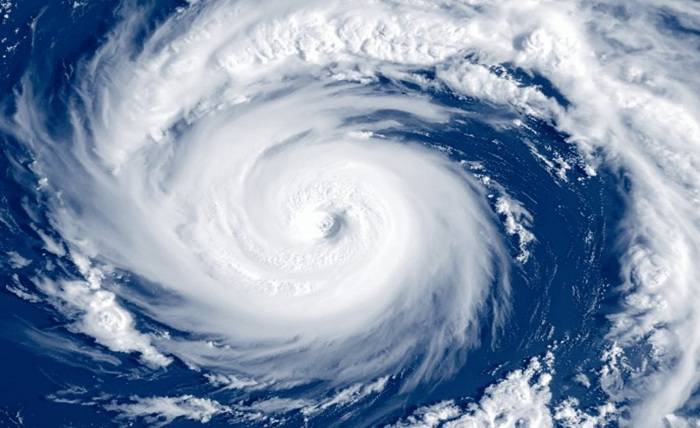
February is often the height of cyclone season in Queensland. For residents and business owners across Caboolture, Moreton Bay and surrounding regions, that means keeping a close eye on weather updates and ensuring properties are ready for heavy rain, strong winds and potential flooding.
While sandbags and emergency kits are common parts of disaster preparation, waste management is often overlooked. Yet after every major storm event, one issue consistently arises: debris. Fallen branches, damaged fencing, roofing materials, soaked household goods and scattered outdoor items quickly turn into overwhelming piles of storm waste.
This is where cyclone clean-up planning becomes essential. Having access to a storm waste skip bin and understanding emergency waste removal options can make a significant difference in how quickly and safely a property is restored. In this article, we explore why preparedness matters in Queensland, how skip bins support recovery efforts, and practical bin hire safety tips to consider before and after a cyclone.
Understanding Cyclone Season in Queensland
Queensland’s cyclone season officially runs from November to April, with February historically one of the most active months. Coastal and inland communities alike can experience intense rainfall, gale-force winds and flash flooding. Even areas not directly in the cyclone’s path may suffer secondary damage such as falling trees, roof leaks and waterlogged structures.
For regions like Caboolture and North Brisbane, storms often result in:
- Green waste from fallen branches and uprooted trees
- Damaged outdoor furniture and fencing
- Broken roofing sheets or gutters
- Flood-damaged carpets, plasterboard and insulation
- General household clutter displaced by wind and water
Without a clear plan for cyclone clean-up, these materials can sit for days or weeks, creating safety hazards and attracting pests.
Why Cyclone Clean-Up Should Be Part of Disaster Preparation
When we think of disaster preparation, we often focus on what happens before the storm. Securing loose items, trimming trees and checking drainage systems are all critical steps. However, planning for the aftermath is equally important.
After a cyclone, time matters. The longer debris remains on your property:
- The higher the risk of injury from sharp or unstable materials
- The greater the chance of mould growth in water-damaged items
- The more attractive the site becomes to pests such as rodents and insects
- The harder it is to return to normal routines
By factoring in emergency waste removal as part of your disaster preparation plan, you reduce stress and speed up recovery.
The Role of a Storm Waste Skip Bin During Recovery
A storm waste skip bin provides a central, contained space to safely dispose of debris. Instead of creating scattered piles around your yard or driveway, waste can be placed directly into a sturdy, designated container.
This approach offers several benefits:
1. Improved Safety
Loose debris can shift unexpectedly, especially when materials are wet or partially damaged. Placing items directly into a skip bin reduces tripping hazards and keeps sharp objects out of reach of children and pets.
2. Faster Clean-Up
When neighbours and communities are all dealing with similar damage, council hard waste services may become overwhelmed. Having your own skip bin means you can begin cyclone clean-up immediately rather than waiting for collection schedules.
3. Better Waste Separation
Storm events often create mixed waste. Green waste, general household rubbish and construction debris may all be present. A skip bin allows for organised disposal, which supports more efficient sorting and recycling where possible.
4. Reduced Environmental Impact
Properly managed bins help prevent debris from washing into drains or waterways during ongoing rain. This is particularly important in Queensland, where stormwater systems can quickly become blocked.
Common Types of Storm Waste After a Cyclone
Understanding what you are likely to dispose of helps you choose the right size and type of bin. Typical cyclone clean-up materials include:
- Tree branches and palm fronds
- Fence panels and timber posts
- Roofing sheets and guttering
- Flood-damaged furniture
- Waterlogged carpets and rugs
- Broken garden structures
- General household rubbish displaced by the wind
Before arranging a storm waste skip bin, check which materials are accepted. Hazardous substances such as asbestos, chemicals or certain electrical items may require specialist disposal.
Bin Hire Safety Tips During Cyclone Season
Hiring a skip bin during cyclone season requires careful placement and responsible use. Safety should always come first, especially when weather conditions remain unpredictable.
Here are practical bin hire safety tips to follow:
Choose a Stable Location
Place the bin on level, solid ground. Avoid soft or waterlogged areas that could cause shifting or sinking. Driveways are often suitable, provided they can support the weight.
Keep Clear of Overhead Hazards
Do not position the bin under unstable trees, loose power lines or damaged roofing sections.
Avoid Overfilling
Overfilling can cause materials to fall out during collection. Keep waste below the rim of the bin and distribute weight evenly.
Secure Lightweight Materials
If further storms are forecast, ensure lightweight debris is placed inside the bin rather than left nearby. Even small items can pose a danger in high winds.
Wear Protective Equipment
During cyclone clean-up, gloves, sturdy footwear and eye protection are strongly recommended. Wet debris can conceal sharp nails, broken glass or metal fragments.
Local Council Reminders for Caboolture and Surrounding Areas
Local councils across Queensland often issue specific guidance following severe weather events. Residents in Caboolture and the broader Moreton Bay region should stay informed through official council updates.
Common council reminders include:
- Separating green waste from general waste for collection
- Placing debris on the kerb only when advised
- Avoiding blockage of footpaths and stormwater drains
- Checking permit requirements if placing bins on the road
Following council guidelines ensures smooth collection processes and reduces disruption within the community.
Preparing in Advance Rather Than Reacting
While many people wait until after a cyclone to consider waste disposal, proactive planning can make recovery far easier.
Before peak cyclone season:
- Trim overhanging branches
- Remove dead or weak trees
- Clear gutters and drains
- Dispose of accumulated yard waste
Arranging a skip bin before a forecast major weather event can help you clear loose materials that might otherwise become airborne debris.
In areas like Caboolture, where seasonal storms are common, this approach can significantly reduce potential property damage.
Emergency Waste Removal During Large-Scale Events
In major cyclones affecting multiple suburbs, emergency waste removal becomes a coordinated effort between residents, councils and private providers. Having access to reliable skip bin services supports quicker community recovery.
Companies such as JACS Bins, based in Caboolture, regularly assist residential and commercial clients with timely waste management during busy periods. Their familiarity with local conditions and council requirements can help ensure bins are delivered and collected efficiently.
It is important to note that during widespread emergencies, availability may be limited. Booking early, where possible, is advisable, especially when severe weather warnings are issued.
Supporting Businesses Through Storm Recovery
Cyclones not only affect homes. Commercial properties, construction sites and industrial facilities often generate significant storm waste.
Businesses may face:
- Damaged signage
- Flooded offices or retail spaces
- Destroyed stock
- Compromised roofing or cladding
Prompt emergency waste removal helps businesses resume operations more quickly. For commercial sites in Queensland, a storm waste skip bin can streamline the clean-up process and maintain safety standards for staff and customers.
Environmental Responsibility After a Cyclone
Storm recovery should also consider environmental impact. Queensland’s natural landscapes, waterways and coastal systems are particularly vulnerable following extreme weather.
Responsible waste disposal prevents:
- Debris entering creeks and rivers
- Contamination of soil from damaged materials
- Uncontrolled burning of waste
- Illegal dumping
Using licensed waste providers and adhering to bin hire safety tips ensures materials are handled appropriately. Recyclable items can be separated and processed where facilities allow.
Building a Cyclone-Ready Mindset in Queensland
Preparedness is not about expecting the worst, but about reducing risk and stress. Queensland communities are resilient and experienced in handling severe weather. Incorporating waste management into your disaster preparation plan strengthens that resilience.
Consider creating a simple checklist that includes:
- Emergency contacts
- Insurance documentation
- Sandbag locations
- Local council updates
- Skip bin provider details
Having this information readily available saves time during urgent situations.
How JACS Bins Supports Local Communities
As a locally operated business in Caboolture, JACS Bins works with residents and businesses across North Brisbane, Moreton Bay and surrounding areas. Their focus on reliable service and responsible disposal aligns well with the needs of communities during cyclone season.
While no one hopes to require emergency waste removal, knowing that experienced providers are available offers reassurance. Flexible hire terms and a range of bin sizes allow properties of different scales to manage storm waste effectively.
Importantly, waste management during cyclone clean-up is not about quick fixes. It is about safe handling, environmental care and community recovery.
Conclusion: Preparedness Makes Recovery Easier
Cyclone season in Queensland is a reality that residents and businesses must plan for each year. February often brings heightened risk, and while preparation typically centres on protecting life and property, waste management should not be overlooked.
From fallen trees in Caboolture to flood-damaged interiors across the region, storm waste can quickly become overwhelming. A well-placed storm waste skip bin supports organised cyclone clean-up, reduces safety hazards and accelerates recovery.
By incorporating emergency waste removal into your disaster preparation strategy and following sensible bin hire safety tips, you can approach cyclone season with greater confidence.
Preparedness does not eliminate the impact of severe weather, but it does empower communities to respond efficiently and responsibly. In a state as dynamic as Queensland, that readiness is not just practical. It is essential.