


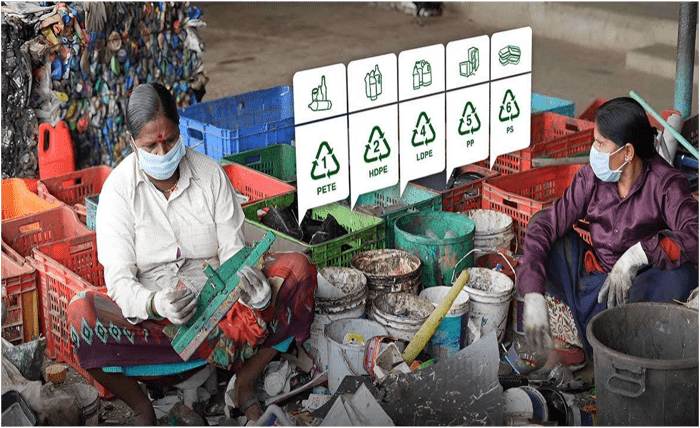
As Environmental, Social, and Governance (ESG) strategies change, companies are facing more and more pressure to address their entire environmental impact. The strategy typically includes waste management and generation in addition to energy use and carbon emissions. Waste segregation is becoming a crucial component of ESG and net-zero planning, although it is often ignored. Businesses should already use waste segregation to establish a reputation and retain their customer base. Learn the reasons why waste segregation should be a priority in your ESG strategy.
Understanding Waste in ESG and Scope 3 Context
Indirect emissions from a company’s value chain are included in Scope 3 emissions, which include waste. Although it is not yet required in many jurisdictions, Scope 3 reporting is rapidly becoming more important. Scope 3 can make up 80% to 97% of overall emissions for many businesses, of which trash is a significant part. Waste’s hidden impact on carbon footprints is made clear by the fact that major companies have admitted that the majority of their emissions fall within this range.
Tracking and controlling waste emissions must be a top concern if your business is serious about ESG transparency. Particularly in industries like manufacturing, construction, logistics, fast-moving consumer goods, and retail, this includes the energy and carbon required to produce, transport, and dispose of waste items.
Waste Segregation Is A Key Lever for Emission Reductions
The practice of sorting waste into categories like recyclable, organic, hazardous, and non-recyclable allows for
- Improved material recovery
- Recycling
- Disposal
Typically, poorly managed waste streams end up in landfills or are incinerated, both of which produce significant amounts of greenhouse gases and contribute to the creation of toxic ecosystems.
On the other hand, waste segregation makes recycling and reuse more effective and can even result in cost savings on raw materials and disposal fees. The Ellen MacArthur Foundation estimates that improved material recovery can prevent up to 0.6 billion tons of CO₂ emissions from occurring annually worldwide. Whether it’s recycling partnerships or reusing construction materials, appropriate segregation directly contributes to decarbonization objectives.
Promotes Regulatory Compliance
Indian and global governments are strengthening regulations regarding ESG reporting and trash management. According to the Extended Producer Responsibility (EPR) framework and India’s Solid Waste Management Guidelines, businesses must demonstrate how they appropriately manage their waste. You can avoid fines and harm to your reputation by adhering to these standards by segregating waste.
Additionally, it simplifies documentation and auditing procedures, particularly when business responsibility and sustainability reporting (BRSR) and other frameworks require greater ESG reporting.
Improves Corporate Image and Stakeholder Trust
Partners, investors, and customers are increasingly evaluating businesses based on their ESG performance. Waste segregation shows that your business is as sustainable as it claims to be. Externally, it sends a powerful message to ethical investors and conscious consumers, while internally, it increases staff pride and engagement.
Clear waste management procedures through segregation help you stand out in industries where environmental impact is a major concern, such as,
- Manufacturing
- Logistics
- Real estate
At the end of the day, businesses should maintain their reputation to stay trustworthy among both customers and investors. Waste segregation is a fine technique to ensure the reputation of your business.
Drives Cost Efficiency in the Long Term
Initially, implementing waste segregation procedures may seem expensive. However, it lowers the cost of disposing of garbage over time, particularly for hazardous and industrial waste. Cutting off garbage is less costly and easier to handle.
Recycling garbage can also be made profitable by selling it to approved recyclers. Businesses that separate and minimise their waste quantities will save more money due to stricter rules and increased landfill fees. The ability to reuse recycled inputs also reduces the cost of raw materials.
Strengthens Waste Data Collection for ESG Reporting
Determining the environmental impact is one of the most difficult tasks in ESG. When garbage is not separated, it is difficult to determine what proportion of it gets recycled or repurposed. The amount of plastic, paper, metal, organic matter, or e-waste that is produced and processed can be more easily tracked and recorded when garbage is separated.
ESG reports, investor pitch decks, and compliance audits all need this information. One of the primary governance goals of ESG is transparency, which is made simpler by more comprehensive data.
Encourages Employee Participation and Awareness
Waste segregation is a visible and beneficial practice that staff members can participate in daily. It helps create a greener workplace culture and increases staff understanding of sustainability. Many businesses engage their staff in responsible garbage disposal through the following activities
- Internal campaigns
- Training
- Incentive schemes
By doing this, ESG becomes a shared objective rather than merely a high-level agenda and promotes a sense of ownership. Additionally, it shows up well in your ESG social impact reports.
Ensures Your Company Is Ready for the Future
As you look to the future, ESG goals will become increasingly stringent. Customers, investors, and regulatory agencies are calling for increased action and transparency. Whether it’s required ESG audits, zero-waste targets, or supplier chain sustainability assessments, integrating waste segregation now will help your business be ready for the future.
It shows your company’s proactive rather than reactive approach. Additionally, you’ll have a solid platform in place when the time comes to scale your ESG commitments or enter international markets.
What Happens When Waste Isn’t Segregated?
Inadequate waste segregation will lead to numerous issues for businesses and the environment. Reusable and recyclable materials will be lost when mixed garbage ends up in landfills. As a result, this puts greater strain on local governments, raises pollution levels, and increases the expense of waste disposal.
Additionally, toxic substances and greenhouse gases may be released if waste is improperly segregated. It is becoming increasingly challenging for businesses to obtain ESG scores, meet sustainability goals, and comply with relevant legislation. The reputation of a company will also be difficult to maintain if it follows poor waste management techniques.
The Final Words
Incorporating waste segregation techniques into your ESG strategy will enhance the professionalism, trust, and other benefits mentioned above of your business. Are you seeking to align your business with ESG goals through more effective waste management practices? Partner with Banyan Nation for expert-led waste segregation, recycling, and EPR solutions tailored for businesses.