

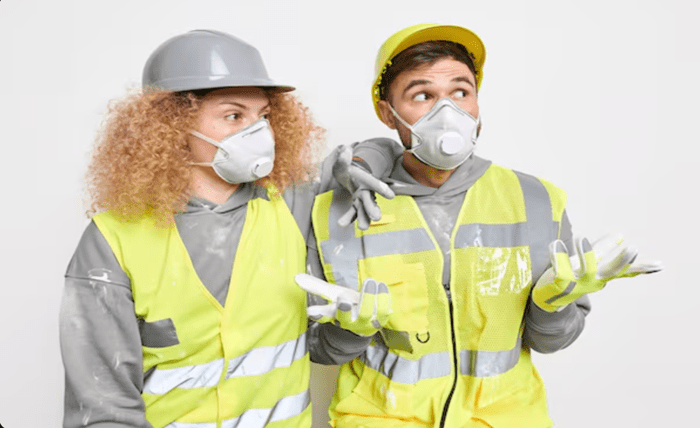
In today’s professional landscape, the demand for workwear that seamlessly blends safety with style has never been higher. Employees no longer wish to compromise on appearance for the sake of protection. Fortunately, advancements in design and materials have made it possible to have both. Brands like Dickies, with a century-long heritage in durable workwear, offer a range of protective workwear that meets safety standards without sacrificing style. Their extensive product line includes flame-resistant garments, high-visibility apparel, and more, catering to various industries and ensuring workers are both safe and stylish.
How Has Workwear Evolved to Combine Safety and Style?
Historically, workwear prioritized functionality over aesthetics. However, modern designs now incorporate tailored fits, contemporary colors, and advanced materials that ensure both safety and a professional appearance. For instance, safety footwear has evolved to include slimmer profiles and lightweight materials without sacrificing protective features like slip resistance and reinforced toes.
What Role Do Advanced Materials Play in Modern Workwear?
Innovations in textile technology have introduced fabrics that are both durable and comfortable. Materials with moisture-wicking properties, stretchability, and breathability enhance comfort during long work hours. These advancements ensure that workers remain protected without compromising on comfort or style.
Why Is Stylish Workwear Important for Employee Morale?
Wearing attractive and comfortable work attire can boost employees’ self-confidence and productivity. A professional appearance fosters pride in one’s work and can enhance the company’s image to clients and stakeholders. Additionally, offering quality workwear is a token of appreciation that contributes to higher employee satisfaction and loyalty.
How Does Stylish Workwear Impact Company Branding?
Uniformity in stylish workwear strengthens team cohesion and promotes a professional image. It demonstrates attention to detail and can positively influence the company’s reputation. In industries where first impressions are crucial, such as construction and manufacturing, this can make a significant difference.
Are There Risks in Prioritizing Style Over Safety?
While style is important, it should never come at the expense of safety. Some clothing brands market fashionable garments that appear to be high-visibility clothing but aren’t tested or compliant with safety standards. It’s essential to ensure that workwear meets all necessary safety certifications to protect workers effectively.
How Can Companies Ensure Their Workwear Is Both Stylish and Safe?
Companies should collaborate with reputable manufacturers who prioritize both aesthetics and safety. Selecting garments that are certified for protection while featuring modern designs ensures that employees are both safe and stylish. Regularly reviewing and updating workwear options can also keep the company’s image fresh and appealing.
Innovative Features in Contemporary Workwear
Today’s workwear integrates an impressive array of features that elevate both protection and visual appeal. For example, many manufacturers are now offering reflective tapes that blend seamlessly into fabric designs rather than standing out as stark, utilitarian stripes. This results in a more fashionable look without diminishing safety. Adjustable features, such as gusseted waists, articulated knees, and ergonomic seams, allow workers of all body types to find comfortable, flattering fits. Pockets designed for specific tools or devices show that style and utility can go hand in hand.
Industry-Specific Styles and Needs
The requirements for workwear vary greatly across industries. Construction workers might need reinforced knee pads and puncture-resistant boots, while laboratory staff may require flame-resistant lab coats with anti-static properties. Apparel companies are increasingly tailoring their collections to meet these varied needs. Creative design helps workers in healthcare, hospitality, or maintenance fields stand out and feel valued while maintaining compliance with applicable standards. Branding options, such as embroidered logos, also allow organizations to make a statement while maintaining safety protocols for their specific industry.
What Are the Future Trends in Workwear Design?
The future of workwear lies in sustainable materials, customizable designs, and smart textiles that monitor health and safety. As technology advances, we can expect workwear that not only protects and looks good but also enhances performance and well-being. Eco-consciousness is increasingly important in the world of workwear. Sustainable, recycled, and organic materials are increasingly used by manufacturers responding to both environmental concerns and shifting consumer values. Certifications for low-impact dyes, fair labor practices, and carbon neutrality will further influence purchasing decisions and company policies.
Technological Integration in Workwear
The integration of technology in workwear is another exciting development. Smart textiles can now be embedded with sensors that track vital signs, environmental hazards, or location. For roles that operate in hazardous or remote environments, these innovations add an extra layer of reassurance. For example, vibration alerts in clothing could warn wearers of dangerous noise levels or machinery proximity, reducing the risk of accidents. Design elements are also evolving, with QR codes or NFC tags embedded discreetly for fast access to certification information or emergency contacts.
Frequently Asked Questions
Can stylish workwear meet all safety standards?
Yes, many modern workwear designs are both stylish and fully compliant with safety regulations. It’s crucial to verify certifications and standards before making a selection.
Is investing in stylish workwear cost-effective?
Investing in quality, stylish workwear can lead to higher employee satisfaction, improved company image, and potentially increased productivity, making it a worthwhile investment.
How often should workwear be updated?
Workwear should be regularly inspected for wear and tear. Depending on the industry and usage, updating every 1-3 years is advisable to ensure safety and maintain a professional appearance.
Which industries benefit the most from stylish workwear?
Virtually every sector benefits from modern, stylish workwear, from industrial settings like manufacturing and construction to customer-facing roles in hospitality and transportation. Even office environments gain from dress codes and uniforms that merge professionalism with comfort and brand value.
What are some examples of new workwear technologies?
Examples include fabrics with embedded UV protection, water-resistant coatings made with non-toxic compounds, temperature-regulating fibers, and digital components such as RFID for access control or health data monitoring.
In conclusion, the integration of style and safety in workwear is not just a trend but a necessary evolution to meet the demands of modern workplaces. By prioritizing both, companies can ensure their employees are protected, comfortable, and confident in their roles. As technology, customization, and sustainability continue to shape the industry, workwear will continue to evolve, delivering even greater benefits to businesses and their teams.