

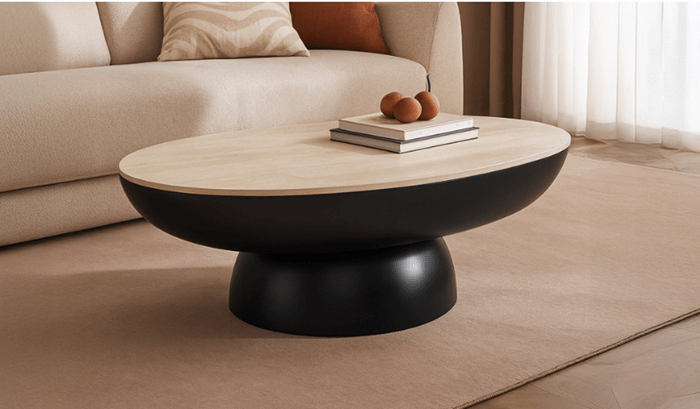
In many Australian homes, the coffee table is one of the most useful pieces in the living room, yet it is often overlooked when people think about styling or furnishing the space. Sofas usually get the spotlight, entertainment units often take centre stage, and rugs or wall art are seen as the finishing touches. But the coffee table quietly brings all of these elements together.
It is where you place your morning cuppa, rest the remote after a long day, display a few favourite books, or set down snacks when guests drop by. It can serve as a practical surface, a design feature, and even a storage solution, all in one. More than just a table, it helps define how your living room looks, feels, and functions every day.
A well-chosen coffee table can make a room feel balanced, complete, and thoughtfully arranged. It can soften a large open space, add texture to a simple layout, or introduce a new material that gives your living room more character. Best of all, updating your coffee table is often a simple and affordable way to refresh your space without needing a full room makeover.
Why the Coffee Table Matters More Than You Think
The coffee table sits at the centre of your living room, both physically and visually. Because of this, it has a bigger impact than many people realise. It connects the seating area, anchors the room, and supports how you use the space from day to day.
Think about the role it plays in your home. It may be the place where your children do a quick puzzle, where you eat takeaway on a Friday night, or where guests gather around while chatting over drinks. It often becomes part of everyday family life, which is why functionality matters just as much as appearance.
At the same time, your coffee table contributes to the overall style of the room. Whether your home leans coastal, modern, Hamptons, rustic, Scandinavian, or classic Australian casual, the right table can strengthen that look and make the room feel more cohesive.
Choosing the Right Coffee Table for Your Space
Choosing the right coffee table is not just about filling an empty space in front of the sofa. It is about improving comfort, making the room more practical, and selecting a piece that suits both your lifestyle and your home.
1. Start with Size and Proportion
One of the most important things to get right is scale. A coffee table that is too large can make the room feel cramped and difficult to move around. One that is too small may look lost and fail to provide enough surface area for everyday use.
A good rule of thumb is to choose a coffee table that is about two-thirds the length of your sofa. This creates a balanced look without overpowering the room. In terms of height, the table should sit level with your sofa cushions or slightly lower. This makes it easier and more comfortable to use while seated.
You should also leave enough room around it for easy movement. Ideally, allow about 30 to 45 centimetres between the table and surrounding furniture. This gives everyone enough space to walk through the living area comfortably while still keeping the table within reach.
Before buying, always measure your room and sketch out the layout if needed. Even a beautiful design will not work well if the proportions are off.
2. Pick a Shape That Works with Your Layout
The shape of your coffee table affects both the look and flow of the room. Different layouts suit different shapes, so it helps to think about how your furniture is arranged and how people move through the space.
Rectangular coffee tables are a classic choice and work especially well with standard three-seater sofas or larger living rooms. They provide plenty of usable surface area and often suit traditional or spacious layouts.
Round coffee tables are ideal for smaller rooms because they help soften the space and improve movement around the furniture. They are also a smart option for homes with young children, as there are no sharp corners.
Oval coffee tables offer a similar benefit to round ones but with a little more length, making them a practical option for narrower spaces.
Square coffee tables can look great with modular lounges or sectional sofas, where the seating arrangement is more open and symmetrical.
Nesting tables are an excellent solution for flexibility. They can be tucked away when not in use, then pulled apart when you need extra surfaces for entertaining or everyday convenience.
The best shape depends on your room size, your furniture layout, and how you use the area on a daily basis.
Choose Materials That Suit Your Lifestyle
Coffee tables come in a wide range of materials, and each one brings its own look, feel, and practicality. The best choice is not only about style. It should also match your lifestyle, maintenance preferences, and the level of wear the table is likely to get.
Timber
Timber remains one of the most popular choices in Australian homes, and for good reason. It adds warmth, texture, and a sense of timeless appeal. Whether you choose light oak for a coastal or Scandinavian feel, or darker timber for a richer, more classic look, wood is versatile and durable.
Timber coffee tables work especially well in family homes because they are sturdy and tend to age gracefully. Small marks or signs of wear often add to their character rather than detract from it.
Glass
Glass coffee tables can make a room feel lighter and more open. Because they allow light to pass through, they are particularly helpful in smaller living rooms where you want to avoid a heavy or bulky look.
They suit modern and contemporary interiors well, especially when paired with metal or minimalist frames. However, they may need more frequent cleaning, as fingerprints and dust can show easily. If you have young children, you may also want to consider tempered glass for added safety.
Metal
Metal coffee tables offer a sleek, modern finish and often pair well with industrial, urban, or modern interiors. They can be bold and stylish without taking up too much visual space, particularly if the frame is slim or open.
Powder-coated finishes can be durable and easy to maintain, which makes metal a practical choice for busy households.
Stone or Marble-Look
If you want to bring a more refined or luxurious feel into your living room, stone or marble-look coffee tables can make a strong statement. These styles often add elegance and contrast beautifully with soft furnishings such as fabric sofas and textured rugs.
They may suit homes aiming for a polished or high-end look, but it is still important to think about practicality. Some surfaces may be heavier, more delicate, or require extra care depending on the finish.
Practical Features to Look For
Looks matter, but everyday function is just as important. The right coffee table should make your living room easier to use, not harder.
Storage Options
If clutter tends to build up in your lounge, a coffee table with built-in storage can be a game changer. Drawers, shelves, or hidden compartments are useful for keeping remotes, chargers, coasters, magazines, and kids’ items neatly tucked away. This helps your living room stay tidy without needing extra furniture.
Lift-Top Designs
Lift-top coffee tables have become increasingly popular because they offer extra versatility. The top can be raised to create a more comfortable surface for working on a laptop, having a casual meal, or helping children with homework. This is especially useful in smaller homes or apartments where every piece of furniture needs to work a bit harder.
Easy-Clean Surfaces
If your coffee table sees daily use, easy maintenance should be part of the decision. Smooth surfaces that wipe clean quickly are ideal for family households, especially if snacks, drinks, crafts, or pet activity are part of everyday life.
Strong, Stable Construction
A coffee table should be sturdy enough for regular use. Wobbly legs, delicate materials, or flimsy joints may not hold up well over time. Choose a table that feels stable and well-built, especially if it will be used often by children or guests.
Styling Your Coffee Table Without Overdoing It
Once you have chosen the right coffee table, styling it can help bring even more personality into the room. The key is to keep it simple and intentional. You want it to look inviting, not crowded.
A great starting point is to combine a few different elements:
- A stack of books or magazines
- A small tray for candles or coasters
- A bowl or decorative object
- A plant or vase for freshness and colour
Try to vary height and texture so the arrangement feels balanced. If your table already has a bold design, keep styling minimal. If it is more understated, a few decorative pieces can help it stand out.
Remember to leave enough empty space for practical use. A styled coffee table should still be able to hold a cuppa, a snack plate, or the remote without needing everything shifted around.
Matching Your Coffee Table to Your Living Room Style
Your coffee table does not need to match every piece of furniture exactly, but it should feel like it belongs in the room. Think about how it works alongside your sofa, rug, entertainment unit, and lighting.
For example:
- A light timber table works beautifully in coastal or relaxed Australian interiors
- A black metal frame suits industrial or modern spaces
- A soft rounded shape pairs well with casual, family-friendly rooms
- A marble-look finish can elevate a more elegant or formal setting
Rather than matching everything perfectly, aim for a sense of harmony through colour, material, or shape.
A Small Piece That Changes the Whole Room
It is easy to think of a coffee table as just another furniture item, but it often has a bigger effect than expected. Because it sits at the heart of the living room, it influences how the space looks, how it flows, and how comfortably you use it every day.
The right coffee table can make your lounge feel finished and functional. It can offer storage where you need it, soften the layout, and add a layer of texture or style that brings the room together. Whether you are furnishing a new home, updating an old space, or simply looking for one affordable change that makes a noticeable difference, a well-chosen coffee table is a smart place to start.
Create a Living Space You Love
Your living room should be a place where you can relax, entertain, and enjoy daily life with ease. A coffee table may seem like a small detail, but it plays a big part in making that happen. By choosing the right size, shape, material, and features, you can improve both the look and function of your space.
When chosen carefully, a coffee table becomes more than just a surface. It becomes part of the way you live. It supports everyday routines, reflects your personal style, and helps create a room that feels warm, practical, and inviting.
In the end, it is often the quieter pieces in a home that make the biggest difference. And in the living room, the coffee table is one of them.