

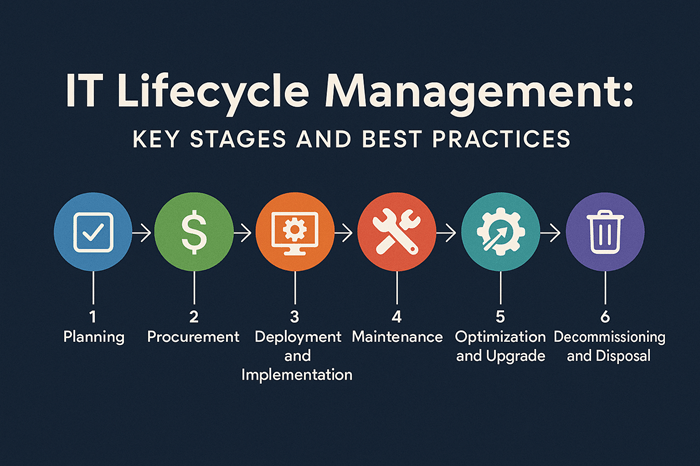
As organizations continue to digitize critical business processes, the need for secure identity management, trusted digital transactions, and regulatory compliance has never been greater. Companies across Europe are increasingly required to demonstrate that their digital operations meet strict legal and security standards. At the same time, they must manage growing numbers of digital certificates, identities, and authentication systems. Achieving both objectives requires a strategic balance between compliance and efficiency. Being eIDAS compliant while optimizing digital lifecycle processes is no longer optional for organizations that want to operate securely and competitively in a digital economy.
The challenge is not simply implementing secure technologies. Organizations must ensure that these technologies remain effective, compliant, and manageable throughout their entire lifecycle.
Understanding the importance of eIDAS compliance
The eIDAS regulation establishes a standardized framework for electronic identification, authentication, and trust services throughout the European Union. Its primary goal is to create secure and legally recognized digital interactions across borders.
For businesses, eIDAS compliance provides confidence that digital signatures, electronic seals, authentication mechanisms, and trust services meet recognized legal and security standards. This is especially important for organizations handling sensitive information, contractual agreements, and regulated transactions.
Compliance also strengthens trust. Customers, partners, and stakeholders are more likely to engage with organizations that demonstrate adherence to recognized security frameworks.
However, achieving compliance is only the beginning. Maintaining it requires continuous oversight and management of digital assets.
Why lifecycle management matters
Digital certificates, identities, authentication credentials, and trust services all have lifecycles. They are issued, deployed, maintained, renewed, and eventually replaced or revoked.
Without structured lifecycle management, organizations face several risks. Certificates may expire unexpectedly, identities may remain active longer than necessary, and outdated credentials can create security vulnerabilities.
Effective lifecycle management ensures that digital assets remain secure and compliant throughout their entire operational lifespan. This reduces risk while improving efficiency and visibility.
As digital ecosystems continue to grow, manual management quickly becomes unsustainable. Organizations need structured processes and automation to maintain control.
Building compliance into every stage of the lifecycle
Compliance should not be treated as a separate process that is reviewed only during audits. Instead, it should be integrated into every phase of digital asset management.
The lifecycle begins with identity verification and certificate issuance. At this stage, organizations must ensure that identities are properly validated according to eIDAS requirements.
The deployment phase requires secure distribution and configuration of certificates and authentication systems. Proper governance ensures that only authorized users and devices gain access.
Ongoing monitoring is equally important. Continuous oversight helps identify potential issues before they affect compliance or security.
Finally, renewal and revocation processes must be carefully managed to prevent expired credentials and unauthorized access.
By embedding compliance into each phase, organizations create a more resilient and trustworthy environment.
The role of Digital lifecycle management
A structured approach to Digital lifecycle management helps organizations maintain visibility and control over all digital assets.
Centralized lifecycle management platforms provide a complete overview of certificates, identities, authentication methods, and trust services. This visibility is essential for maintaining compliance and reducing operational complexity.
Organizations can track certificate validity, automate renewals, and ensure that assets remain aligned with regulatory requirements. This reduces the risk of overlooked certificates and manual errors.
Lifecycle management also supports consistency. Security policies can be applied uniformly across systems, ensuring that compliance requirements are met throughout the organization.
Automation as a compliance enabler
One of the most effective ways to remain compliant while improving efficiency is through automation.
Manual processes often create bottlenecks and increase the risk of human error. Automated systems can monitor certificate expiration dates, initiate renewals, revoke compromised credentials, and generate compliance reports.
Automation also supports scalability. As organizations expand their digital infrastructure, the number of certificates and identities can increase dramatically. Automated lifecycle management allows security teams to maintain control without significantly increasing administrative workload.
By reducing manual intervention, organizations improve both compliance and operational performance.
Strengthening security while maintaining efficiency
Some organizations mistakenly assume that stronger compliance requirements slow down operations. In reality, effective lifecycle management can improve efficiency while enhancing security.
When certificates and identities are properly managed, users experience fewer disruptions. Authentication systems function reliably, digital signatures remain valid, and business processes continue without interruption.
This balance is particularly important in environments that rely on remote work, cloud services, and digital collaboration. Security measures must be robust enough to meet regulatory requirements while remaining user friendly.
A proactive lifecycle strategy helps organizations achieve both objectives.
Preparing for future regulatory changes
The digital security landscape continues to evolve. Regulatory frameworks are regularly updated to address new threats and technologies.
Organizations that implement strong lifecycle management practices are better positioned to adapt to these changes. Instead of reacting to new requirements, they can proactively update policies and systems as needed.
This adaptability reduces compliance risks and ensures long term resilience. It also demonstrates to regulators and stakeholders that the organization takes security seriously.
Future readiness is not just about technology. It is about creating processes that support continuous improvement and regulatory alignment.
Creating long term digital trust
Compliance and lifecycle management ultimately contribute to a larger goal: building trust.
Digital trust depends on secure identities, reliable authentication, and confidence in digital interactions. When organizations consistently manage their certificates and identities throughout their lifecycle, they create an environment where trust can thrive.
Customers gain confidence that their information is protected. Partners trust the authenticity of digital transactions. Employees benefit from secure and efficient systems.
This trust becomes a strategic advantage that supports growth, innovation, and long term success.
Remaining eIDAS compliant while optimizing digital lifecycle management requires more than meeting regulatory requirements. It demands a proactive strategy that integrates compliance, security, and operational efficiency throughout the entire lifecycle of digital assets. By combining strong governance, automation, continuous monitoring, and structured lifecycle processes, organizations can maintain compliance while improving performance. In an increasingly digital world, effective digital lifecycle management provides the foundation for security, trust, and sustainable business growth.