

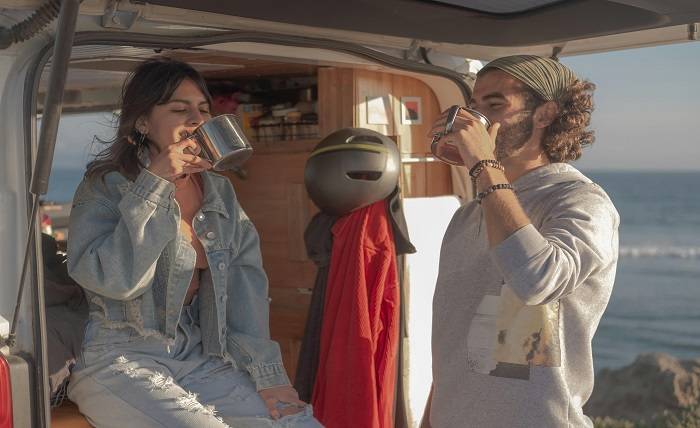
Embracing minimalism as a nomad can be a liberating experience, allowing you to focus on what truly matters while reducing the clutter in your life. With limited space and constant movement, adopting a minimalist lifestyle can make your travels more enjoyable and stress-free. If you’re considering hitting the road and embracing the nomadic lifestyle, these tips can help you make your dreams a reality.
Prioritize Essential Items
When transitioning to a minimalist lifestyle, it’s crucial to prioritize essential items. Focus on what you genuinely need and use regularly. This might include basic clothing, toiletries, cooking supplies, and important documents. By paring down your possessions to essentials, you can free up space and reduce the weight of your belongings.
Start by evaluating your current possessions and categorizing them into essentials, nice-to-haves, and non-essentials. Gradually phase out items from the non-essential category, and be mindful of new items you acquire. This process helps you make thoughtful decisions about what to keep and what to let go of, ensuring you carry only what is necessary.
Adopt a Capsule Wardrobe
A capsule wardrobe is a collection of versatile, timeless clothing items that can be mixed and matched to create various outfits. This approach minimizes the number of clothes you need to carry while ensuring you have suitable attire for different occasions. Focus on high-quality, durable pieces that can withstand frequent use and washing.
Choose a color palette that suits your style and makes it easy to coordinate your outfits. Stick to neutral tones and a few accent colors to keep your wardrobe cohesive. This strategy not only simplifies dressing but also reduces decision fatigue, allowing you to focus on more important aspects of your nomadic life.
Digitalize Important Documents
Living a minimalist lifestyle on the road means reducing physical clutter, and one effective way to do this is by digitalizing important documents. Store copies of your identification, travel documents, insurance papers, and other essential records on a secure cloud service. This not only saves space but also ensures you have access to these documents whenever you need them.
In addition to important documents, digitalize other items like books, music, and movies. E-readers and digital libraries allow you to carry a vast collection of reading material without taking up physical space. Similarly, streaming services and downloaded media can provide entertainment on the go without the need for bulky storage.
Simplify Your Cooking Equipment
Cooking on the road can be challenging, especially with limited space. Simplify your cooking gear by selecting multifunctional kitchen tools and compact appliances. Items like nesting pots and pans, collapsible bowls, and multi-use utensils can save space and make meal preparation easier.
Plan your meals around simple recipes that require minimal ingredients and equipment. This not only reduces the amount of food and gear you need to carry but also makes cooking more enjoyable and less time-consuming. Focus on nutritious, easy-to-prepare meals that can be cooked with the basics.
Additionally, consider how you store your food and cooking supplies. Use stackable containers and efficient storage solutions to keep your kitchen area tidy and accessible. By streamlining your cooking gear and practices, you can enjoy healthy meals without the hassle of a cluttered kitchen.
Optimize Your Living Space
Whether you’re traveling in a camper, RV, or Sprinter van, optimizing your living space is essential for a minimalist lifestyle. Utilize every inch of space efficiently by incorporating smart storage solutions and decluttering regularly. Built-in storage, foldable furniture, and under-bed compartments can help maximize your available space.
Create designated areas for different activities, such as sleeping, cooking, and working, to maintain order and functionality. Keeping your living space organized not only makes it more comfortable but also reduces stress and improves your overall well-being on the road.
Regularly assess your living space and make adjustments as needed. Removing unnecessary items and reorganizing can help maintain a minimalist environment. The key is to continuously adapt your space to fit your needs while keeping it simple and clutter-free.
Conclusion
Embracing minimalism as a nomad requires intentionality and a focus on essentials, but it can prove worthwhile for those who want to live a more simplistic lifestyle while enjoying the beauty of the world around them. This minimalist approach allows you to focus on the adventures and experiences that matter most, making your nomadic lifestyle both freeing and fulfilling.