


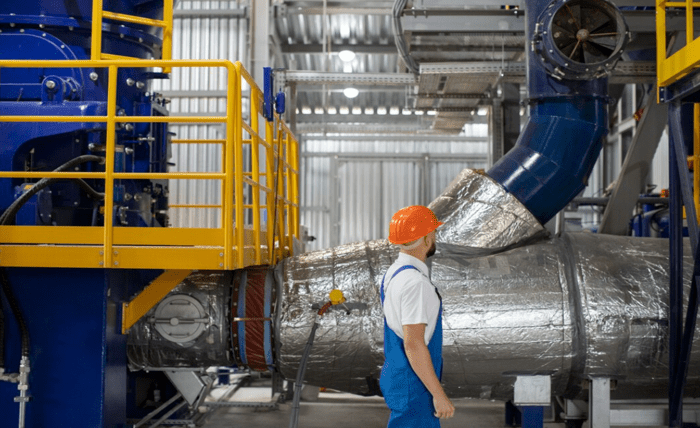
Efficient system integration is at the heart of modern industrial operations, and nitrogen generation paired with compressed air infrastructure plays a crucial role in enhancing productivity. These systems work together seamlessly to meet the demands of industries ranging from manufacturing to food processing, ensuring consistent performance and reduced operational costs.
Integrating nitrogen generation with compressed air systems not only streamlines processes but also improves energy efficiency. By creating a cohesive infrastructure, businesses can optimize resource usage while maintaining reliability. Understanding how these components interact is key to unlocking their full potential.
Aligning Pressure and Flow Across Connected Systems
Combining nitrogen generators with compressed air infrastructure depends on precise alignment of pressure levels and flow rates. Differences in system pressure can affect nitrogen purity and energy consumption. Maintaining compatibility ensures that generators and compressors operate efficiently without overloading.
Flow matching is critical to avoid disruptions in production. Systems achieve this by synchronizing compressed air inputs from compressors with the nitrogen generator’s flow requirements. Misalignment results in insufficient nitrogen output or excess energy waste.
Purification sequencing plays a significant role in connected systems. Compressed Air Solutions must deliver clean air free of contaminants for consistent nitrogen quality. This requires integrating effective filtration and drying mechanisms between compressors and nitrogen generators.
Businesses assess compatibility by evaluating system capacity, intended usage, and demand fluctuations. Manufacturers like PneuTech design solutions tailored to integrate seamlessly with a company’s operational requirements, ensuring optimal performance and reliability.
Sequencing Purification Stages in Integrated Layouts
Effective sequencing of purification stages ensures contaminant-free compressed air before it enters nitrogen generation systems. Clean air optimizes nitrogen purity and safeguards system longevity. Proper placement of filters, dryers, and separators is critical to remove particulates, moisture, and oil vapors.
Pre-filtration removes larger particulates like dust and rust, preventing damage to downstream equipment. Air drying follows to eliminate moisture using desiccant or refrigerant dryers, reducing the risk of internal system corrosion. Post-filtration removes fine particulates and oil residues, ensuring the air meets nitrogen generator input specifications.
Integration layouts should position purification components in a logical flow to maintain air quality consistency. For example, filters should precede dryers, and separators should work near the compressor outlet. Systems like PneuTech’s solutions enhance air quality assurance by providing modular units that align purification stages accurately.
Compatibility Assessments for Legacy Air Equipment
Adjusting legacy compressed air equipment to integrate with nitrogen generation systems demands precise evaluations of technical compatibility. Key parameters include output pressure, volumetric capacity, and filtration standards. Discrepancies in these factors can lead to reduced nitrogen purity or inefficient energy use.
Pressure Compatibility
Legacy systems must maintain consistent output pressure relative to nitrogen generators. Mismatched pressure ranges strain compressors and impact nitrogen purity. Assessments involve measuring pressure stability and comparing it against generator requirements.
Flow Rate Matching
Ensuring that legacy systems provide sufficient airflow for nitrogen production prevents disruptions. Flow capacity should align with the generator’s demand under peak and fluctuating loads. Verifying performance guarantees uninterrupted nitrogen output.
Filtration and Purity Standards
Older compressed air systems may lack modern filtration mechanisms, risking contamination. Retrofitting equipment with advanced filters satisfies nitrogen generator quality benchmarks. Systems like PneuTech’s Compressed Air Solutions facilitate upgrades to meet purification needs effectively.
Evaluating compatibility reduces inefficiencies and supports long-term integration of legacy equipment into modern nitrogen generation setups.
Avoiding Pressure Drops Through Proper Pipe Sizing
Proper pipe sizing minimizes pressure drops in nitrogen generation and compressed air systems. Incorrect sizing increases energy consumption and reduces system efficiency, directly impacting operational costs and production reliability.
Calculating Optimal Pipe Diameter: Determining the appropriate pipe diameter ensures sufficient airflow and maintains consistent pressure delivery. Using tools like the Darcy-Weisbach equation or dedicated sizing software assists in accurate calculations. Factors like flow rate, distance, and material influence pipe diameter selection.
Minimizing Friction Losses: Pipe material and surface smoothness affect friction loss. Materials like stainless steel or aluminum reduce resistance, maintaining optimal pressure levels. Smooth transitions at connections and fittings prevent turbulence, further reducing losses.
Adapting to System Demand: Proper pipe sizing accounts for current and future demand increases. Oversized pipes may lead to inefficiencies, while undersized pipes cause bottlenecks. Dynamic sizing approaches adapt designs based on anticipated load variations.
Integrating with Existing Infrastructure: Adapting pipework for compressed air solutions involves assessing compatibility with system pressure and flow requirements. Businesses incorporating solutions like PneuTech systems modify pipe layouts to support efficient distribution and maintain pressure stability.
Considering Layout Design: Shorter, direct pipe routes reduce pressure loss. Strategic placement of regulators and boosters helps maintain stable pressure throughout the network, ensuring consistent delivery to nitrogen generators and end-use points.
Control System Calibration for Seamless Operation
Calibrating control systems ensures synchronization between nitrogen generators and compressed air infrastructure. In integrated systems, precise calibration maintains consistent flow rates, pressure levels, and operating parameters. Automated controllers tailored for such configurations optimize performance by dynamically adjusting based on real-time demand.
Monitoring parameters like pressure setpoints and compressor output prevents inconsistencies. Control systems regulate compressed air inputs to align with the operational thresholds of nitrogen generators, avoiding purity fluctuations and minimizing energy waste. The integration of advanced monitoring components improves reliability and reduces manual intervention.
Unified control platforms streamline management across compressed air and nitrogen systems. These platforms utilize centralized interfaces to oversee variables such as flow capacity, pressure constraints, and system diagnostics. By incorporating adaptive algorithms, they respond to demand shifts, ensuring optimal resource allocation under varying conditions.
System providers like PneuTech enhance calibration efficiency by offering plug-and-play solutions. These solutions integrate seamlessly into diverse production environments, ensuring compatibility with complex compressed air systems. Implementing such technologies maximizes uptime while maintaining energy-efficient operations for industrial applications.
Regulatory Compliance in Integrated Nitrogen Installations
Ensuring regulatory compliance is a critical aspect of integrating nitrogen generation with compressed air systems. Adhering to industry standards for air purity, pressure stability, and energy efficiency not only safeguards operational reliability but also minimizes risks associated with non-compliance. Proper documentation, routine audits, and alignment with local and international guidelines help businesses maintain accountability while optimizing system performance.
By prioritizing compliance in system design and operation, organizations can enhance safety, reduce environmental impact, and build trust with stakeholders. Tailored solutions from trusted providers simplify the process, ensuring that integrated systems meet both regulatory requirements and long-term operational goals.