

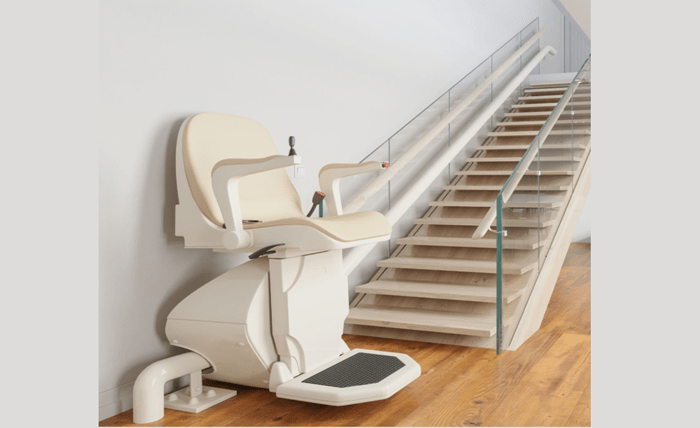
Stairlifts have been changing lives since the 1920s by giving individuals with mobility issues a new found freedom in terms of navigating the stairs. It has provided a safe and convenient solution to the limitations brought about by a flight of stairs. In this article, we will delve into the brief history of stairlifts, tracing their evolution from early inventions to modern innovations.
Introduction to Stairlifts
Defining Stairlifts
Simply put, stairlift is a motorized chair or a mechanical device designed to aid people with mobility issues to navigate the stairs. The chair is usually attached to a track that runs along a staircase. Early designs needed the use of pulley systems but more modern design has significantly advanced making it a more versatile solution for mobility needs.
Historical Significance of Stairlifts
Although stairlifts seem like a modern convenience, it was actually invented around the 1920s. Its development was fueled by one man’s desire to help an ailing friend to navigate the stairs more easily.
Early Developments and Inventions
Early Concepts and Prototypes
Early stairlift prototypes were basic yet groundbreaking, featuring rudimentary chairs attached to manually operated pulley systems. It may not have been the smoothest or the quietest ride but it got the job done. Since then, the technological advancements have been able to make countless improvements to the system.
Key Inventor in Stairlift History
C.C. Crispen played a pivotal role in shaping the evolution of the stairlift technology. Initially drafted with the thought of helping his ill friend to go up and down the stairs, it has evolved into something much more than a motorized chair but a beacon of hope for a bit of independence back and has transformed the lives of many throughout the years.
Evolution of Stairlift Technology
Advancements in Mechanisms and Operations
With the ever evolving and advancements with technology, stairlifts has seen significant growth in mechanism and operation. Long gone is the manual use of pulley system to move the chair up and down the stairs. Quieter motors, enhanced user controls, smoother and additional safety features have been included in the seats’ modern design. These improvements have made using stairlifts a seamless and enjoyable experience for users.
Integration of Safety Features
Safety is of utmost importance when using a stairlift as its main function is to aid people with mobility issues go up and down the stairs. The last thing we want is an accident when using this mobility aid. Modern designs have incorporated a range of safety features like seatbelts, safety locks, safety sensors, obstruction sensors, emergency stop button, back up batteries, etc… to make sure users can ride with peace of mind.

Popularity and Adoption of Stairlifts
In the early years, having a stairlift is not that common. Usually, these machines are found in hospitals or rehabilitation centers. But as years pass, the importance of both accessibility and inclusivity has grown quite a bit which prompted the increasing appeal of having stairlifts. Now, these motorized chairs can be found in private homes more and more.
Usage Trends Over Time
With the everchanging times, the importance of improving one’s quality of life has become crucial. Independence is one of the main reasons why the usage of this machine has grown significantly. Stairlifts has helped many get back their independence, therefore improving the quality of life in their own homes.
Factors Contributing to Increased Adoption
Different factors contribute to the increased popularity and use of the stairlift. Most of the aged population has been very independent in their prime and being unable to even go around your own home because of the limitation of the stairs is a hard blow. The aging population is one of the main factors as this device focuses on the promoting accessibility and inclusivity. These factors, combined with the undeniable benefits of stairlifts, have made them a staple in the world of home mobility aids.
Impact of Stairlifts on Mobility and Quality of Life
Stairlifts have revolutionized the lives of many individuals by providing them with newfound independence. Users no longer have to rely on others for assistance in navigating stairs, empowering them to move freely around their homes.
Aside from convenience, stairlifts also offer significant health benefits. By eliminating the need to climb stairs, they reduce strain on joints and muscles, making everyday movements easier and more comfortable for users.
Considerations for Choosing a Stairlift
Factors to Evaluate Before Purchase
Before investing in a stairlift, it’s important to consider factors such as the layout of your home, user mobility needs, and budget constraints, it is important to know UK stairlift costs. Taking these aspects into account ensures that you choose a stairlift that best suits your requirements.
UK Mobility Stairlifts London
24 Holborn Viaduct
Holborn
London
EC1A 2BN
United Kingdom
020 3984 7692
https://ukmobilitystairlifts.co.uk
Customization Options and Installation Process
Everyone is unique and people who use the stairlift will have different needs. It is common for many stairlift providers to offer customization options to tailor the product to your specific needs. From the shape of your stairs, to the weight capacity, to the safety features you want to add. Making sure you understand all the available features will allow you to maximize the benefits of your stairlift.
Conclusion: The Future of Stairlifts
Emerging Trends in Stairlift Development
The advancement of smart technology has been very promising in the last few years and the possibility of integrating it with the stairlift opens a lot of possibilities. Innovations with energy efficiency and user comfort will also make it more appealing to a wider market.
Potential Impact on Aging Populations
With the aging population, the demand for stairlifts is expected to rise significantly. Stairlifts will become an integral part of the lives of older adults as they age with grace, allowing them to keep their independence and quality of life.
In conclusion, the history of stairlifts showcases how innovation and ingenuity have continually improved accessibility and mobility for individuals facing physical limitations. As we look ahead to the future of stairlift technology, it is evident that these devices will continue to play a vital role in enhancing independence and quality of life for a diverse range of users.