

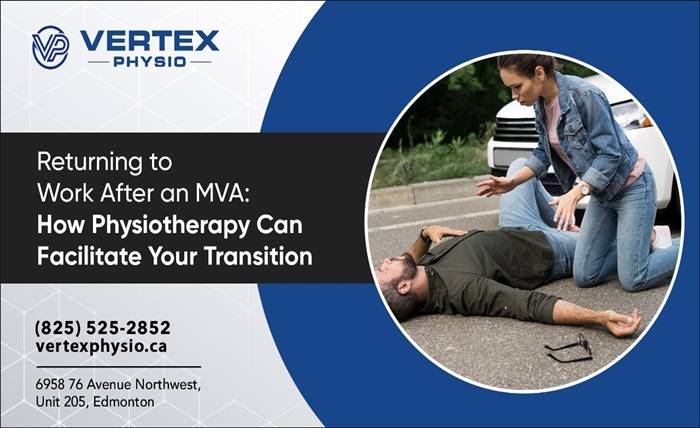
Returning to work after experiencing a motor vehicle accident (MVA) can be a daunting challenge, marked by physical and emotional hurdles. MVA physiotherapy in Edmonton offers a structured pathway to overcome these obstacles, enabling individuals to transition back to their professional lives. Through personalized rehabilitation programs, physiotherapy addresses the wide range of injuries and conditions resulting from MVAs. For those navigating the aftermath of an MVA, engaging in physiotherapy provides a crucial support system, fostering recovery and resilience as they prepare to re-enter the workforce.
Comprehensive Rehabilitation for MVA Survivors
Holistic Approach to Healing: MVA physiotherapy in Edmonton adopts a comprehensive strategy, intertwining physical recovery with psychological support. This dual focus ensures that survivors are physically prepared to resume their professional lives and mentally resilient. Manual therapy, therapeutic exercises, and cognitive behavioural strategies foster a holistic healing environment.
Physical Recovery Components
Restoring Functional Mobility: A primary goal is to regain pre-accident levels of mobility and function. Through manual therapy techniques and tailored exercise programs, physiotherapists work to alleviate pain, enhance joint mobility, and strengthen muscles weakened by the accident. This restoration of physical function is crucial for individuals aiming to return to their professional duties.
Pain Management Techniques: Effective pain relief methods are integral to the rehabilitation process. Physiotherapists use a blend of modalities, such as electrotherapy, acupuncture, and heat or ice therapy, to manage pain levels, making daily activities and eventual work returns more achievable.
Psychological Support
Overcoming Psychological Barriers: Recognizing the trauma associated with MVAs, physiotherapy includes support for emotional and mental health challenges. Counselling and stress management techniques are provided to help survivors deal with anxiety, depression, or PTSD symptoms, ensuring they are psychologically ready to return to work.
Personalized Recovery Plans
Job-specific Rehabilitation: Recovery plans are meticulously tailored to fit the unique physical demands of each patient’s job role. For instance, someone with a physically demanding job might focus on strength and endurance training. At the same time, those in sedentary roles might concentrate on flexibility and ergonomic strategies to prevent repetitive strain injuries.
Flexibility and Mobility Enhancement: Given the passive nature of many professions, special attention is paid to enhancing flexibility and mobility. Exercises to improve range of motion and correct posture are pivotal, especially for those returning to desk jobs, to ensure long-term comfort and injury prevention.
Endurance Training for Work Stamina: Endurance training is a key component of the recovery plan to prepare patients for the physical rigours of their jobs. Activities designed to increase cardiovascular health and stamina help individuals manage their workdays more effectively upon their return.
Workplace Ergonomic Assessments
Tailoring Workspaces for Comfort and Safety: The key to a successful transition back to work involves adapting the workplace to meet the specific needs of recovering employees. Through comprehensive ergonomic assessments, physiotherapists evaluate the work environment and recommend necessary changes. These may include ergonomic chairs that support spinal alignment, adjustable desks to facilitate standing or sitting, and computer monitors positioned to reduce strain on the neck and eyes.
Implementing Ergonomic Solutions: Beyond suggesting modifications, physiotherapists often collaborate with employers to implement these changes effectively. This collaborative effort ensures that the workplace is physically accommodating and promotes productivity and well-being. Adjustments are made to minimize stress on previously injured areas and prevent new injuries from occurring.
Gradual Return-to-Work Programs
Phased Reentry into the Workforce: For many recovering from an MVA, a sudden return to full-time work can be daunting and potentially harmful. Gradual return-to-work programs, designed by MVA physiotherapy specialists in Edmonton, offer a structured approach to reintegration. Starting with part-time hours or less demanding tasks allows individuals to rebuild their stamina and confidence in a controlled manner.
Collaborative Planning for a Seamless Transition: The development of these return-to-work programs is a collaborative effort involving physiotherapists, employers, healthcare providers, and insurance companies. This ensures that all parties are aligned with the employee’s recovery goals and capabilities. Regular reviews and adjustments to the program accommodate the individual’s progressing recovery, facilitating a smooth and sustainable return to professional life.
Monitoring and Adjusting Workloads: As individuals begin their phased return, physiotherapists remain involved, monitoring progress and responding to any concerns or challenges. This ongoing support is crucial for identifying when adjustments are needed, whether increasing work hours, expanding job duties, or modifying the workspace. The aim is to create a dynamic return-to-work plan that evolves alongside the individual’s recovery, ensuring a successful transition back into their role.
Stepping Back into the Workforce with Confidence
In conclusion, the targeted and compassionate care offered through MVA physiotherapy in Edmonton significantly supports the journey back to work following an MVA.
Vertex Physiotherapy stands as a pillar of support, guiding individuals through the rehabilitation process with personalized programs that address recovery’s physical and psychological aspects. The expertise and dedication found in these physiotherapy sessions play a pivotal role in preparing individuals for the return to their professional duties, ensuring they do so with restored health and renewed confidence.
For those seeking a pathway to resume their careers after an MVA, searching for “physiotherapy near me” can open the door to specialized care that understands and meets the unique challenges of this transition. Engaging with a team of professionals at Vertex Physiotherapy in Edmonton offers an invaluable resource, providing the tools and support necessary for a successful return to the workforce.
Embarking on MVA physiotherapy is a crucial step towards regaining strength, functionality, and the self-assurance needed to navigate the complexities of the workplace after an accident. Reach out to us today and take that important step forward in your recovery and professional journey.